
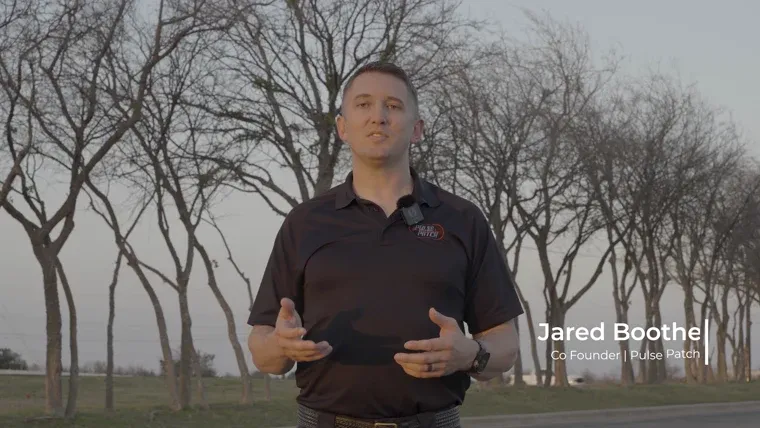
Jared Boothe
Jared’s 17-second clip on YouTubeVideo pending upload
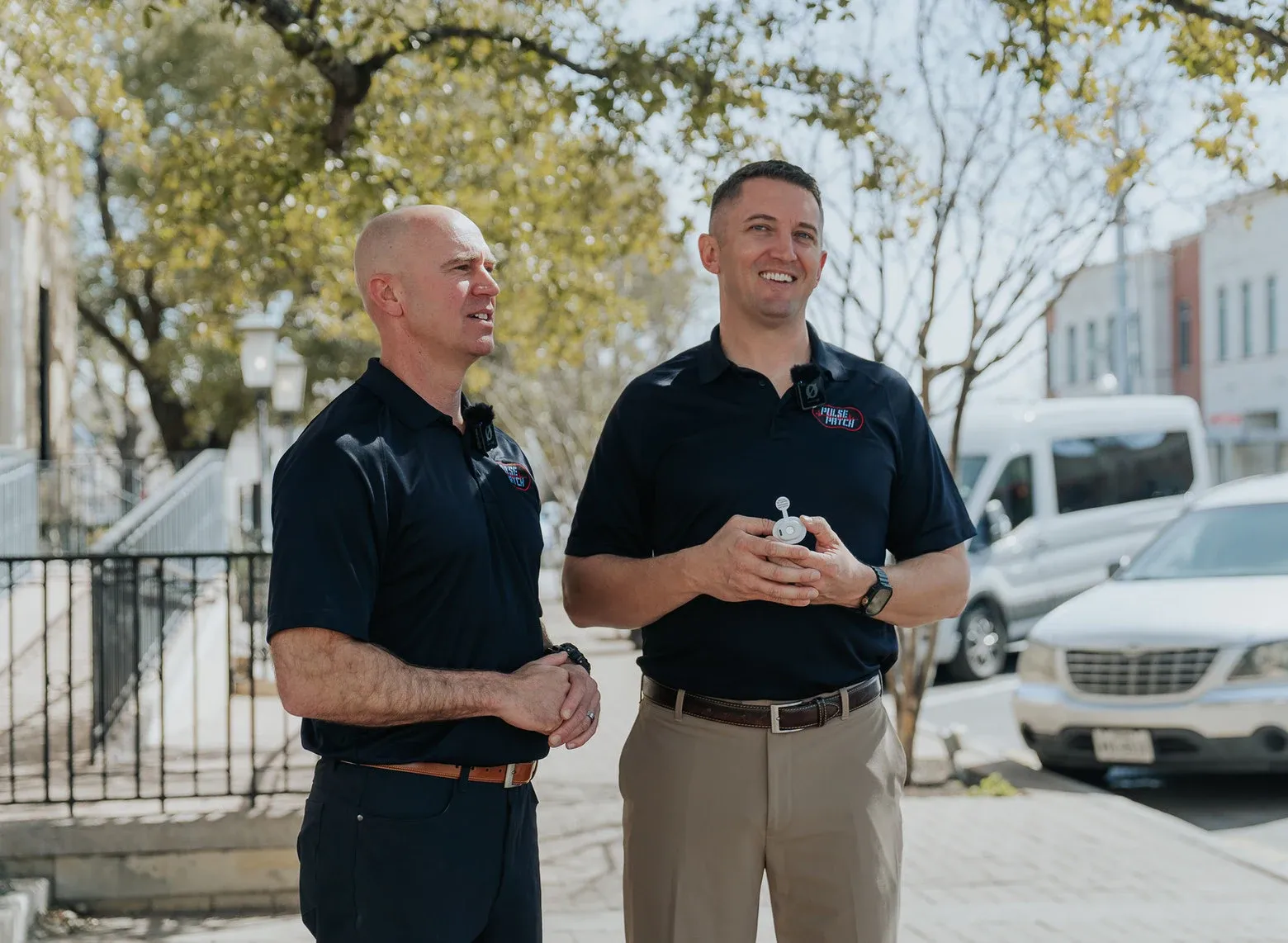
Pulse Patch® was started to save lives.
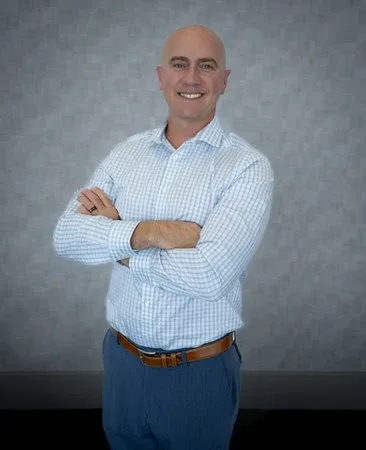
Built by police officers, for police officers, Pulse Patch® turns founders Jared Boothe and Richard Byrod’s 30 years of combined law enforcement experience into a practical solution that gives officers clearer real time information, protects lives, and reduces preventable outcomes.
From Jared's six years as a paramedic in the United States Air Force and working as a paramedic before joining the police force, he brings frontline medical insight into custody care. While Richard's service in the United States Army and his law enforcement career, bringing mission driven leadership and operational discipline to how Pulse Patch® is designed and deployed.
Jared and Richard’s field experience combined with the support of their trusted team of medical and first responder experts informs how Pulse Patch® is designed for field use.
Our goal is to get Pulse Patch® into the hands of every city and rural area across the United States and when we accomplish this, we will save careers and minimize liability while improving relations between law-enforcement and the public.
Watch the team’s longer introduction to Pulse Patch®.
Full introduction on YouTubeVideo pending upload
Jared’s 17-second clip on YouTubeVideo pending upload
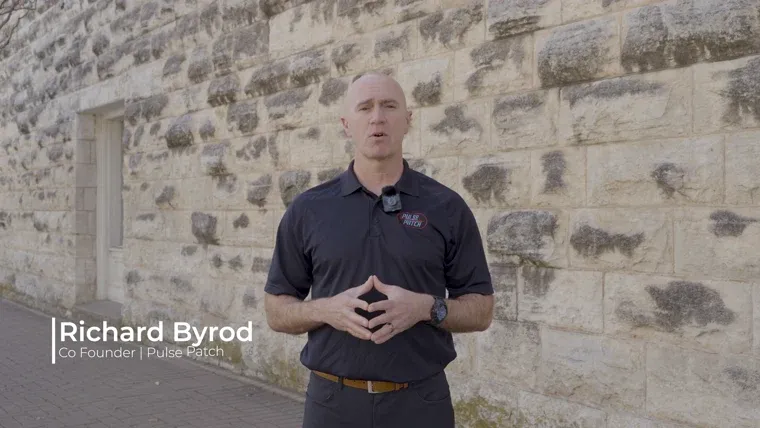
Richard’s 20-second clip on YouTubeVideo pending upload
Co-Founder
Co-Founder

COO

CTO
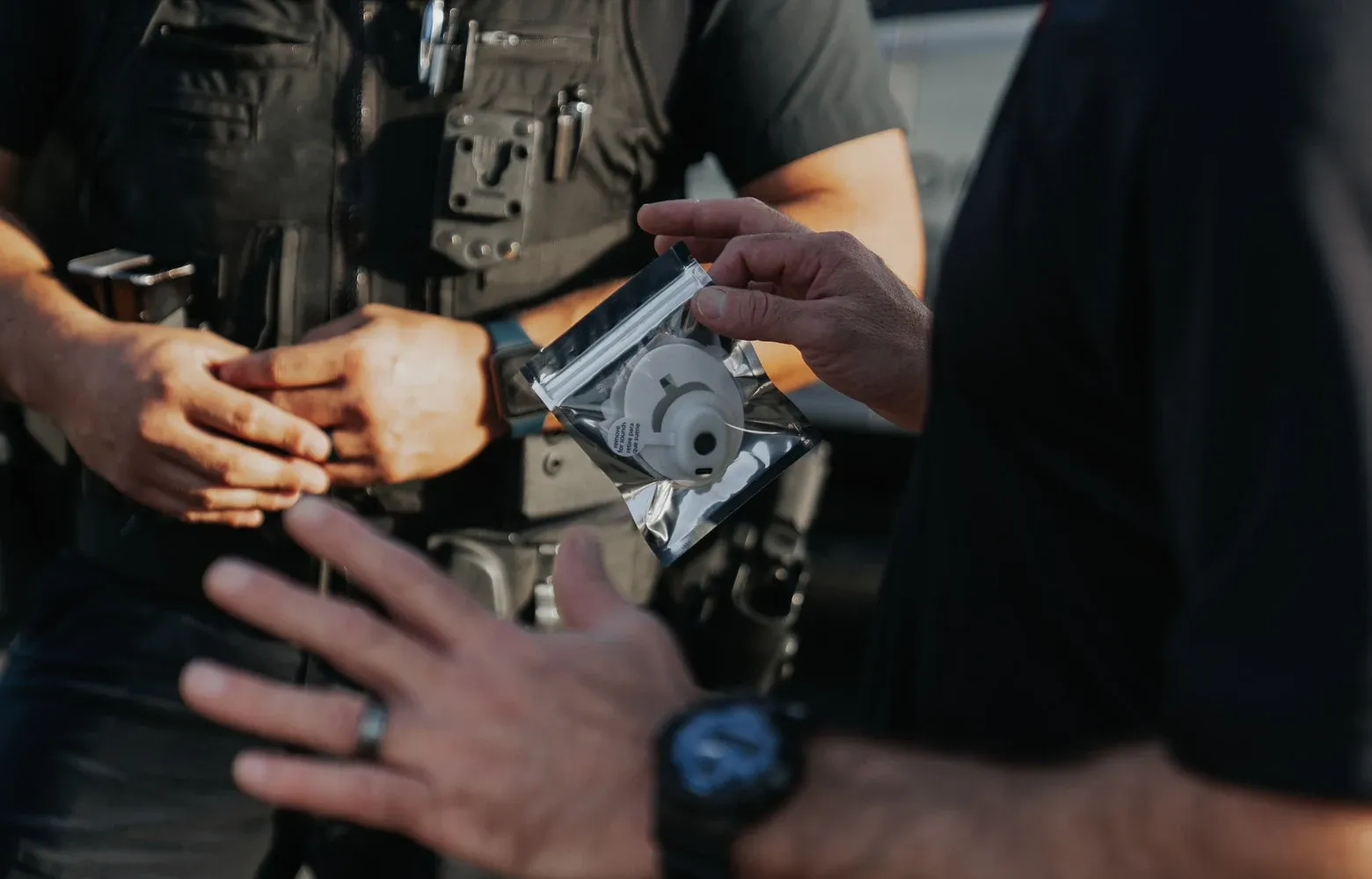
Pulse Patch® is a rapidly deployable, disposable adhesive device that monitors heart rate and oxygen saturation, and is designed to alert responders to changes in readings. It is built to scale through policy adoption, risk reduction pressure from insurers and compliance momentum, and it expands beyond custody into any environment where delayed medical response turns minutes into tragedy.
Join The Mission
Pulse Patch® exists to prevent avoidable in custody medical crises, protect officer careers, reduce agency and insurer exposure, and raise the standard of care in the moments that matter most. Custody emergencies are uniquely difficult because the environment is uncontrolled, information is incomplete, and decisions must be made quickly with limited medical visibility.


Ask about agency demos, pilots, procurement, investor materials, or partnerships.